



Dog Hip Braces: When They Help, When They Hurt, and How to Prevent Needing One
Mobility problems in dogs are becoming increasingly common, especially in large breeds, aging dogs, and highly active dogs that place repeated mechanical stress on the hip joints. As awareness grows, dog hip braces are often discussed as a way to manage mobility problems in dogs by providing external joint support. While dog hip braces can play an important role in improving comfort and stability, they are not a cure and should never be the first step in treating mobility problems in dogs.
Most mobility problems in dogs develop due to underlying biomechanical failures within the hip joint. These include joint instability, uneven load distribution, and progressive cartilage wear caused by repeated micro-movement of the femoral head inside the socket. Over time, this abnormal motion damages cartilage, increases inflammation, and alters gait mechanics, further worsening mobility problems in dogs. Dog hip braces work by limiting excessive movement and reducing joint stress, but understanding how and why these changes occur is essential before deciding if bracing is appropriate.
This guide explains when dog hip braces are genuinely helpful for managing mobility problems in dogs, which orthopedic and degenerative conditions create the need for support, and how hip disease progresses from early instability to painful cartilage degeneration. It also outlines science-based strategies to reduce the risk that a dog will ever require dog hip braces, including weight control, targeted muscle strengthening, and early intervention. For situations where mobility problems in dogs cannot be managed through conservative care alone, this article provides clear guidance on selecting dog hip braces that support natural biomechanics rather than accelerating long-term joint damage.
What a dog hip brace actually does
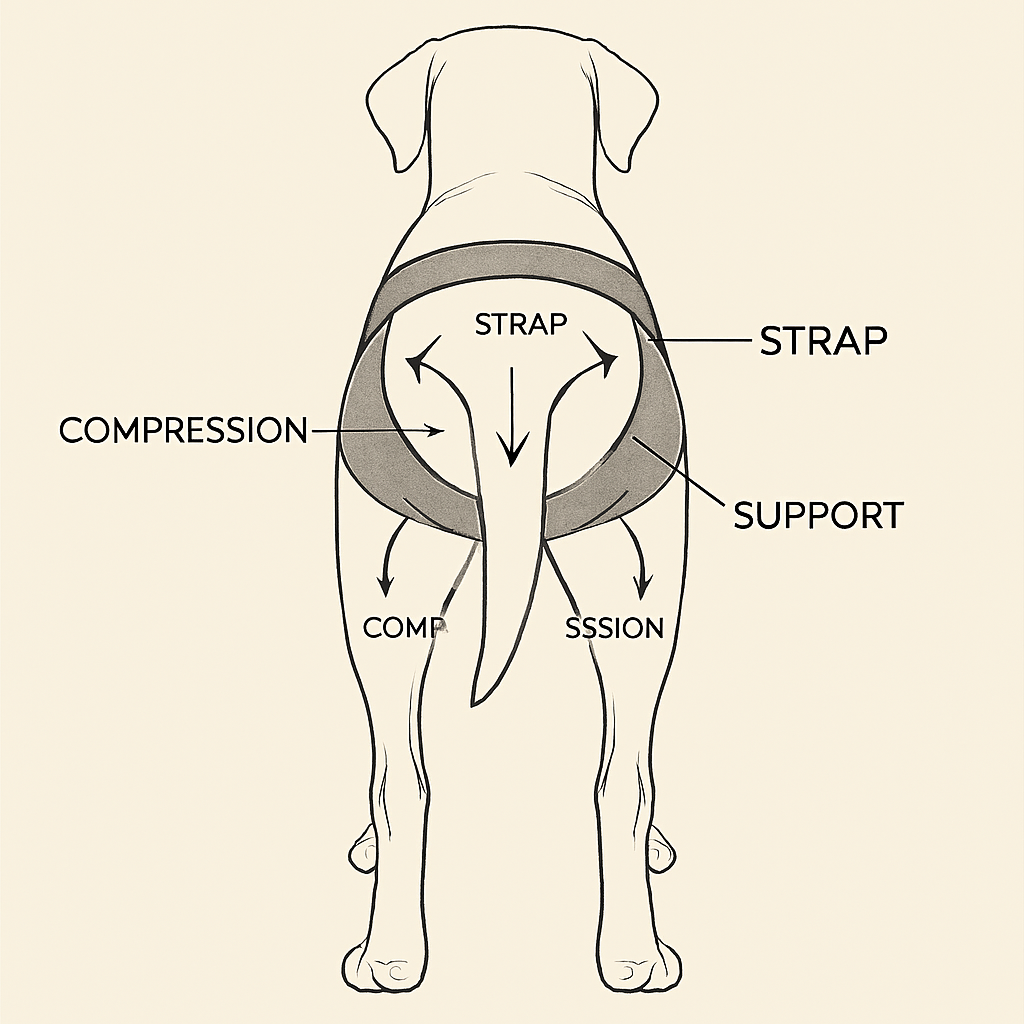
A dog hip brace is an orthopedic support that wraps around the pelvis and the top part of the hind legs. It provides three key things: gentle compression, warmth, and controlled stability to the hip joint. By doing this, it reduces abnormal movement in the ball‑and‑socket joint of the hip and supports weak muscles around the pelvis.
Most modern braces are made from soft but firm materials like neoprene or other technical fabrics combined with more rigid parts. This creates a kind of external “exoskeleton” around the hips. A well‑designed brace allows normal walking and even light running or swimming, while limiting the excessive movement that causes pain and accelerates wear in a damaged joint.
Why hip problems arise in dogs
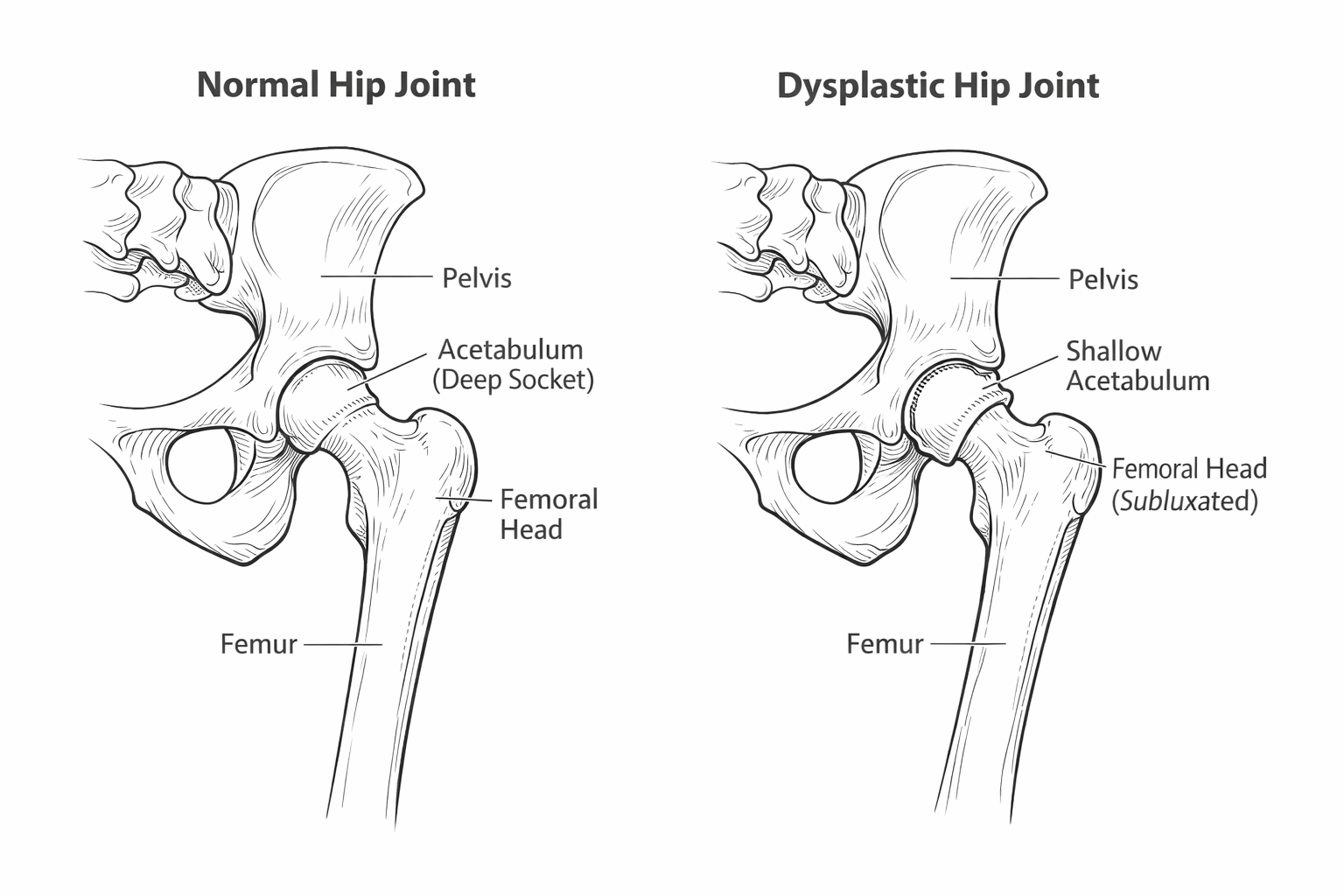
Hip braces are almost always used because there is already an underlying orthopedic problem. The main culprit is canine hip dysplasia, a developmental condition where the hip joint does not form a tight fit. The socket in the pelvis is too shallow or the head of the femur does not match it properly, so the joint is loose and unstable. Over time, this repeated micro‑instability erodes cartilage, leads to bone changes, and produces painful arthritis.
Other situations that may lead to brace use include:
- Chronic osteoarthritis in older dogs, especially large breeds.
- Past trauma such as hip dislocation or subluxation (partial dislocation).
- Lower back or lumbosacral issues that weaken the hindquarters.
- Post‑operative recovery after orthopedic surgery, where the joint needs controlled support during rehabilitation.
- In all these cases, the goal is similar: stabilize the area enough so that the dog can move with less pain and less damaging joint motion.
How a hip brace works from a biomechanical point of view
From a biomechanics perspective, the hip brace acts as an external guide and shock absorber. By wrapping around the pelvis and upper thighs, it limits excessive movement in certain directions while allowing normal flexion and extension needed for walking. Compression and warmth around the joint can improve blood flow, reduce swelling, and help muscles work more efficiently.
Some advanced braces use semi‑rigid plastic shells or metal components connected by joints that are carefully aligned with the dog’s natural hip axis. These designs are often custom‑made and fitted by specialists. The better the alignment and fit, the more effectively the brace can support the hip without over‑restricting movement or causing new pressure points.
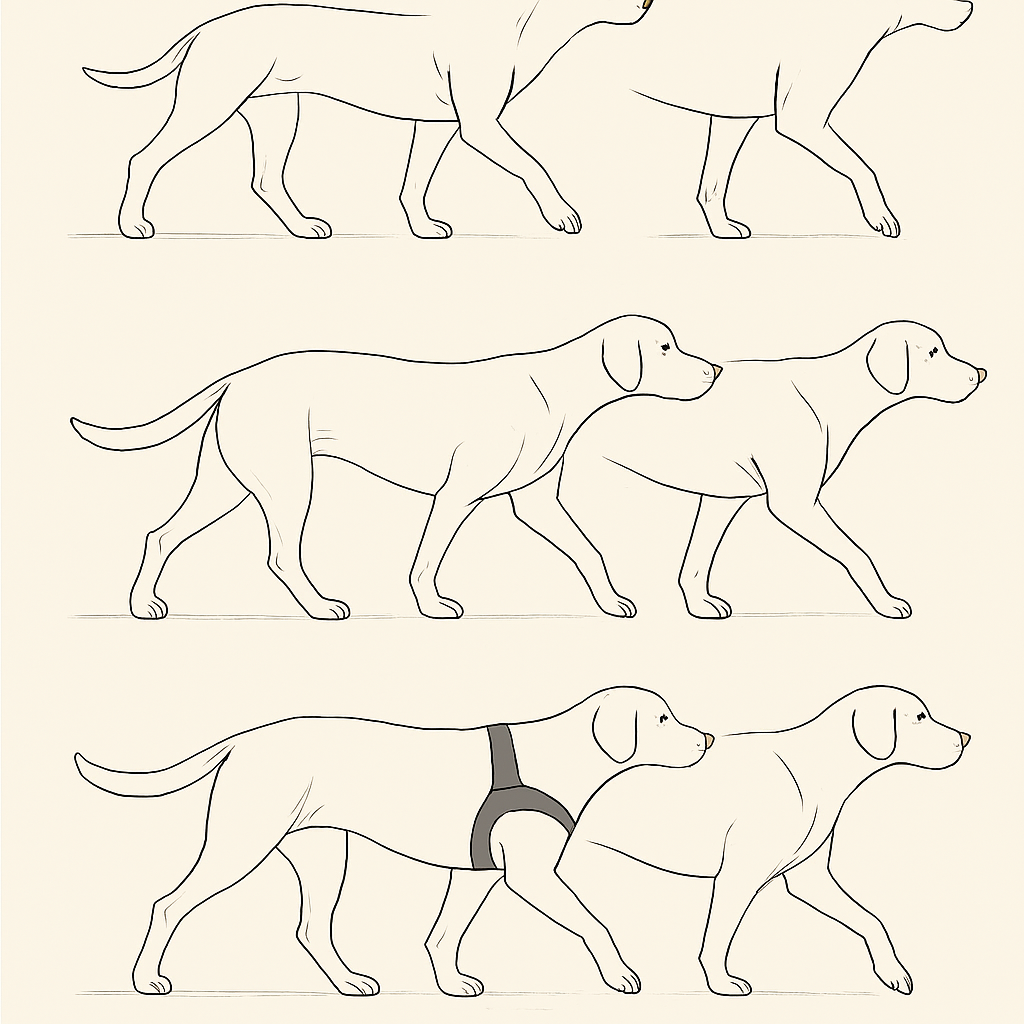
Clinical experience and small studies in canine joint disease show that when joint instability is reduced and muscles are supported, dogs often put more weight on the affected limb, move more freely, and show less lameness. Owners frequently report improved quality of life when conservative management includes appropriate external support.
Early warning signs and when to worry
Many owners notice hip problems late because dogs are good at hiding pain and compensating. Watch for:
- Stiffness getting up, especially after rest or in the morning.
- “Bunny‑hopping” at a run, where both hind legs move together.
- Reluctance to jump into the car, onto furniture, or climb stairs.
- Swaying hips, short hind‑limb stride, or frequent slipping on smooth floors.
- Visible muscle wasting over the hips and thighs.
These signs do not automatically mean your dog needs a brace, but they do mean you should get an orthopedic examination. X‑rays, gait evaluation, and sometimes advanced imaging help decide whether the best plan is medication, physiotherapy, surgery, bracing, or a combination.
How to prevent hip problems (and avoid needing a brace)
The most effective way to “avoid a brace” is to reduce the chances of severe hip disease developing in the first place. Prevention starts with genetics and continues with daily management.
Key preventive strategies:
- Genetic selection and responsible breeding
In predisposed breeds like German Shepherds, Labradors, Golden Retrievers, and Rottweilers, choosing pups from parents that have been hip‑scored or screened significantly lowers the risk of severe dysplasia. For breeders, strict selection is the single most powerful tool against this disease.
- Weight control from puppyhood onward
A lean dog puts much less stress on its joints. Excess body weight accelerates cartilage breakdown and worsens arthritis, so keeping your dog slim can delay or even prevent clinical hip problems. For large‑breed puppies, overfeeding and rapid growth are particularly harmful.
- Smart, low‑impact exercise
Regular, controlled exercise is essential for strong muscles around the hips. Walking, gentle hill work, and swimming are excellent. On the other hand, repeated high jumps, sudden stops, or intense ball chasing on hard surfaces can overload immature or already damaged joints.
- Early screening and proactive management
For high‑risk breeds, early veterinary screening with radiographs allows intervention before severe changes occur. Physiotherapy, targeted exercises, and joint‑support strategies started early can slow the progression and may postpone or eliminate the need for bracing or surgery.
Why a brace is not the first solution
A hip brace is usually part of a larger conservative management plan rather than a standalone fix. Most veterinarians will first explore:
- Anti‑inflammatory and pain‑relieving medicines to bring inflammation and discomfort under control.
- Joint‑support supplements and diets designed to support cartilage and reduce inflammation.
- Physiotherapy and hydrotherapy programs to strengthen muscles, improve range of motion, and correct gait patterns.
Weight loss plans if the dog is even slightly overweight.
If these measures provide sufficient comfort and mobility, a brace may not be needed. Bracing becomes more important when instability remains severe, when medication alone no longer keeps the dog comfortable, or when surgery is impossible due to age, cost, or underlying medical issues.
Benefits and downsides of using a hip brace
Advantages
- Non‑surgical and reversible: No anesthesia, no cutting, and you can stop using it if it does not help or causes problems.
- Better mobility and comfort: Many dogs can walk farther, tire less easily, and show less limping when their hips are supported.
- Tailored support: Some products allow adjustment of compression or include more rigid elements only where needed, so support can match the disease severity.
Limitations
- Not a cure: The brace does not reverse dysplasia or arthritis; it only manages the mechanical consequences.
- Adaptation and skin care: Most dogs need a gradual introduction to the brace, and owners must check daily for chafing, sores, or awkward gait caused by poor fit.
- Cost and maintenance: High‑quality braces, especially custom‑fitted ones, can be expensive and may require re‑fitting as the dog’s body changes or fur length varies.
- Understanding both sides helps set realistic expectations and prevents frustration or misuse.
How to choose the right hip brace if you must use one –
If your vet agrees that a hip brace is appropriate, choosing the right design is critical. Think about the following factors:
- Fit and measurement
Careful pelvic and thigh measurements are non‑negotiable. A brace that is too loose will slip and fail to support; one that is too tight will cause pain, restrict movement, and damage the skin. If possible, involve your vet or a canine orthotic specialist in measurement and fitting. - Level of support needed
Dogs with mild dysplasia or early arthritis may do well with softer braces that focus on compression and warmth. Those with severe instability, recurrent dislocation, or post‑surgical needs often require braces with rigid elements and more precise control of hip motion. - Material and comfort features
Look for breathable, padded materials, smooth seams, and secure but easy‑to‑adjust fasteners. The brace should stay in place during walking without cutting into the groin, belly, or thighs. - Professional guidance and follow‑up
Braces designed with input from veterinary orthopedists or provided through rehabilitation centers tend to offer more reliable biomechanics. Follow‑up checks are important to adjust straps, watch for pressure points, and modify exercise plans around brace use.
Introduce the brace gradually:
start with short wear periods, reward your dog while wearing it, and slowly build up the time. If you see increased lameness, skin irritation, or reluctance to move, stop and re‑evaluate fit and suitability with your vet. To get the best braces visit the Link.
Nutrient‑dense dehydrated raw food can help protect your dog’s joints by supporting lean muscle, reducing inflammatory load, and avoiding the fillers and excess calories that drive weight‑related hip stress. Because it preserves natural collagen, minerals, and healthy fats, a good dehydrated raw diet can be a powerful ally against many of the mobility, bone, and cartilage issues discussed earlier. For high‑quality options, explore the carefully curated range of single‑ingredient dehydrated treats and complete raw‑inspired meals at GreenFreshPets, designed to be both biologically appropriate and convenient for busy pet parents. Their products focus on clean, minimally processed ingredients that support everyday vitality, strong joints, and long‑term wellness. Discover the full selection and shop directly at www.greenfreshpets.com/shop.