



Stop the Itch: How Overbathing and Better Protein Choices Transform Your Dog’s Skin
Excessive bathing with harsh, chemical-based shampoos and feeding dogs a monotonous, single-protein diet are two of the most common, avoidable drivers of chronic skin problems. Odor, flaky or rough coat texture, recurrent itching, and low-grade inflammation frequently trace back to disrupted skin microbiota, damaged lipid barriers, and dietary imbalance. A scientific explanation of these mechanisms makes it clear why reducing unnecessary shampoo exposure and introducing a novel protein such as rabbit often leads to meaningful improvements in dermatological health.
Dog skin is covered by a thin lipid layer that acts as a natural barrier. This layer preserves moisture, protects against environmental irritants, and supports a balanced population of beneficial microbes. When a dog is bathed too often—especially with detergents, artificial fragrances, sulfates, or other aggressive surfactants—this lipid barrier is stripped away faster than it can regenerate. Without adequate lipids, the stratum corneum loses water, becomes brittle, and develops microfissures. These openings make the skin more vulnerable to allergens, bacteria, and yeast, which in turn contribute to irritation, itching, and malodor.
Odor is not usually caused by “dirt” alone; it often stems from imbalance in the skin’s microbial environment. When harsh shampoos are used repeatedly, they disrupt the natural microbial community that competes with opportunistic organisms like Malassezia yeast or certain odor-producing bacteria. Once these microbes dominate, odor persists even when the dog is kept physically clean. Owners may respond by bathing more often, which further disrupts the barrier and amplifies the underlying problem. This cycle can continue for years without identifying the true cause.
The coat also suffers from barrier disruption. A healthy coat depends on natural oils produced by sebaceous glands. These oils maintain shine, smoothness, and protection from external particles. When bathing is excessive or shampoos are too astringent, the sebaceous glands struggle to keep up with the rate of oil removal. Hair shafts become dry and more prone to breakage. This gives the coat a coarse, dull, or rough feel that persists until the skin’s oil-production cycle is restored. In severe cases, flakiness and dandruff appear because the epidermis sheds more rapidly when irritated.
Reducing bathing frequency is often the simplest correction. Most dogs require bathing only every 4–8 weeks unless they are visibly soiled or have a specific veterinary-directed dermatological protocol. When baths are needed, using mild, pH-appropriate, fragrance-free shampoos formulated for canine skin preserves natural oils far better than conventional human products or heavily scented commercial dog washes. Supporting the barrier topically with emollients or ceramide-based conditioners also accelerates recovery. In many cases, simply returning the skin to its natural rhythm is enough to resolve chronic odor and coat texture issues.
Diet is the other major factor influencing skin health. Many chronic skin problems are driven or amplified by adverse food reactions. These reactions are not always dramatic allergies; they can be low-grade sensitivities that develop over time when a dog eats the same protein for months or years. A single-source protein diet is not inherently harmful, but long-term reliance on one animal protein increases the risk that the immune system will begin reacting to fragments of that protein. Once sensitized, the dog may develop skin inflammation, itchiness, recurring ear issues, or coat problems.
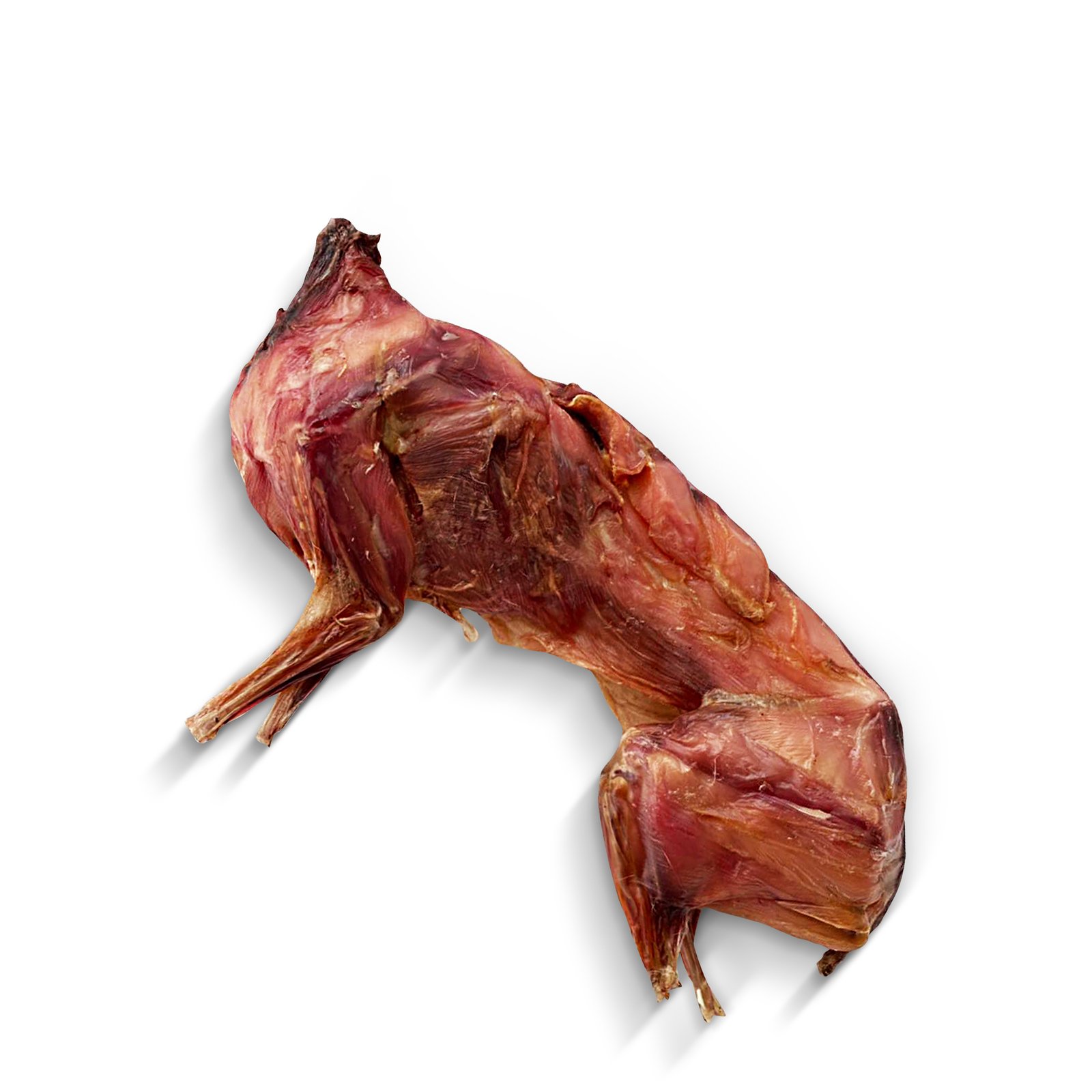
Introducing a novel protein—one to which the dog has not been previously exposed—can dramatically reduce symptoms. Rabbit is a particularly effective option for several reasons. It is a lean, highly digestible protein with a different amino acid profile from common proteins like chicken, beef, or lamb. Because most commercial diets do not use rabbit as a primary protein source, dogs are far less likely to be sensitized to it. A novel protein diet reduces immune activation in the gut and skin, allowing inflammation to subside. As the inflammatory burden decreases, the skin barrier can heal more effectively, and sebaceous gland function returns to normal.
Rabbit meat also contains a favorable ratio of omega-3 to omega-6 fatty acids compared with many conventional proteins. While the exact ratio varies depending on diet and husbandry, rabbit typically delivers a cleaner, less inflammatory fat profile. Omega-3 fatty acids support skin hydration, reduce inflammatory signaling pathways, and improve coat sheen. Dogs fed a rabbit-based diet often show noticeable improvements in coat softness, reduced shedding, and fewer episodes of pruritus within several weeks.
Another benefit of novel proteins is improved gastrointestinal function. Digestive inflammation is closely linked to dermatological symptoms through the gut-skin axis. When the gut is irritated by a protein sensitivity, inflammatory mediators circulate systemically, affecting the skin’s immune environment. By switching to a protein the dog’s immune system does not recognize as a threat, gut inflammation decreases. This reduces systemic inflammatory load and leads to calmer, more resilient skin. Over time, many dogs experience reduced yeast overgrowth, fewer hot spots, and improved coat density.
For dogs with persistent skin issues, a structured approach combining dietary modification and improved bathing practices is highly effective. The diet should be limited to the novel protein and a small number of easily tolerated carbohydrates for at least 8–12 weeks. This period allows the immune system to reset and provides a clear indication of whether the food sensitivity was contributing to symptoms. During this period, topical care should focus on gentle cleansing only when absolutely necessary and restoring the natural lipid barrier with non-irritating moisturizers or leave-on conditioners.
Owners should also avoid unnecessary additives such as flavored treats, table scraps, or supplements that contain proteins from previous diets. Even small exposures can re-trigger sensitivities and slow progress. Ensuring that any rabbit-based diet is complete and balanced, preferably formulated to meet established nutritional standards, is essential for long-term success.
When these principles are applied consistently, many dogs show measurable improvement in coat texture, reduced odor, healthier skin, and fewer inflammatory flare-ups. The combination of restoring the natural skin barrier and removing dietary triggers addresses the root causes rather than masking symptoms. This approach reduces reliance on frequent medicated baths, steroids, or antibiotics and supports overall skin resilience.
These changes provide a clear, science-driven pathway to resolving many chronic skin and coat issues by aligning care with the dog’s natural biology.
GreenFreshPets offers high-quality, ethically sourced rabbit that’s naturally lean, highly digestible, and perfect for dogs with sensitive skin. Their single-protein rabbit formulas avoid fillers and common allergens, making them one of the most reliable choices for restoring skin health and improving coat quality.